
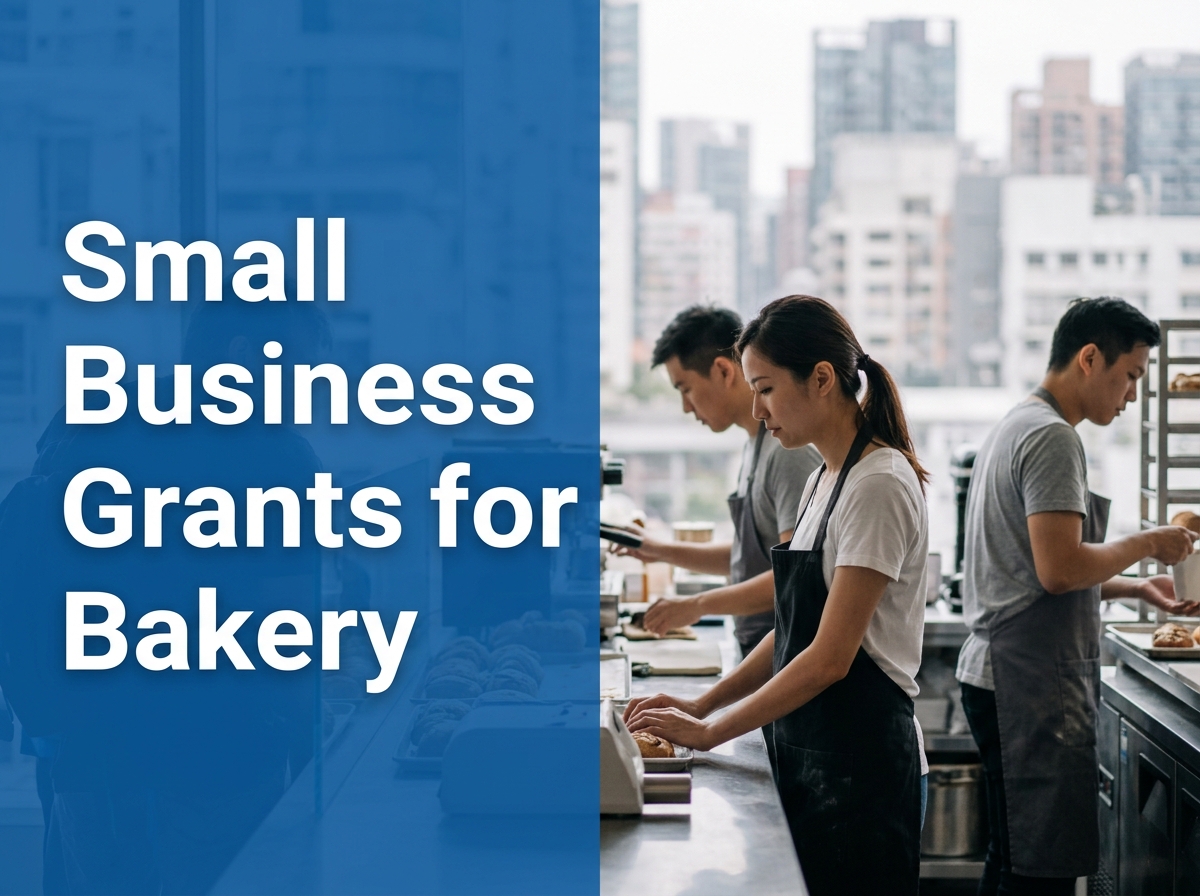
For many independent bakery owners, the ambition to scale production or modernize specialized kitchen equipment is often tempered by the reality of narrow profit margins and escalating ingredient costs. While traditional commercial loans and personal lines of credit are the conventional avenues for expansion, the resulting debt service can significantly strain a small business's monthly cash flow and long-term agility.
Small business grants offer a compelling alternative, providing non-repayable capital that can accelerate growth without the burden of interest. However, navigating this landscape requires a strategic approach; these awards are not "free money" but rather investments with specific stipulations regarding fund allocation, reporting, and operational compliance.
Success stories from programs like the FedEx Small Business Grant and the USDA Value-Added Producer Grant demonstrate how targeted funding can transform a local boutique shop into a regional powerhouse. This article provides a comprehensive roadmap for the application process, outlining essential eligibility requirements, required financial documentation, and proven strategies for crafting a winning proposal.
Understanding the Landscape of Bakery Business Grants
Navigating the financial landscape for a bakery requires a strategic understanding of the various grant opportunities available to small business owners. Unlike traditional loans, grants provide non-repayable capital, making them a highly competitive yet valuable resource for funding equipment purchases, facility expansions, or operational scaling.
The availability of these funds typically spans three primary categories: government programs, private corporate initiatives, and non-profit foundation awards. Federal and state agencies often provide grants aimed at economic development, job creation, or agricultural innovation. Conversely, private sector grants-frequently offered by major food distributors or financial institutions-often focus on supporting diverse founders, including women, minorities, and veterans within the culinary industry.
To successfully secure funding, bakery owners must demonstrate strict alignment with the grantor's specific mission. This involves presenting a robust business plan that highlights community impact, sustainable sourcing, or technological advancements in food production. Recognizing these nuances is essential for identifying the programs most likely to support a bakery's long-term commercial viability and growth.
Essential Eligibility Requirements for Bakery Grant Applicants
To qualify for small business grants within the baking industry, applicants must satisfy specific criteria established by federal, state, or private funding entities. Adherence to these prerequisites is mandatory for a successful proposal.
- Legal Registration: Applicants must provide documentation of a formal business structure, such as an LLC, S-Corp, or Sole Proprietorship, accompanied by a valid Employer Identification Number (EIN).
- Operational History: While some "seed" grants target startups, many programs require a minimum operational period-typically six to twenty-four months-to demonstrate business viability.
- Financial Documentation: Transparency is critical. Entities must often submit recent tax returns, profit and loss statements, and comprehensive balance sheets to prove financial need or growth potential.
- Detailed Business Plan: A professional plan outlining the specific use of funds, such as procurement of commercial-grade ovens or facility expansion, is generally required.
- Compliance and Licensing: Applicants must hold all necessary health department permits and food safety certifications required by their local jurisdiction.
Furthermore, certain grants are restricted to specific demographics, such as minority-owned, women-owned, or veteran-owned enterprises, requiring verified certification of ownership status.
Identifying the Best Grant Sources for Small-Scale Bakers
Securing non-dilutive capital through grants requires a systematic approach to identifying compatible funding entities. For small-scale bakers, opportunities are typically categorized into three primary sectors:
- Governmental Agencies: At the federal level, the SBA and USDA provide resources and grants, particularly for businesses in rural areas or those involved in agricultural innovation. State and municipal economic development offices also offer localized grants aimed at fostering community growth.
- Private and Corporate Foundations: Organizations such as the Amber Grant for Women or the FedEx Small Business Grant Contest provide targeted financial assistance. Additionally, industry-specific groups like the James Beard Foundation may offer programs for culinary entrepreneurs.
- Niche-Specific Initiatives: Many grants are reserved for specific demographics, such as minority-owned, veteran-owned, or sustainable-focused enterprises.
Successful identification involves a rigorous review of eligibility requirements and alignment with the grantor's objectives. Bakers should prioritize sources where their business mission-whether it be artisanal preservation or local job creation-matches the philanthropic or economic goals of the funding body.
Building a Strong Foundation with a Detailed Business Plan
A comprehensive business plan is a fundamental prerequisite for any bakery seeking small business grants. Granting organizations and financial institutions require a structured roadmap that demonstrates the venture's economic feasibility and long-term sustainability. This document serves as formal evidence that the entrepreneur has conducted due diligence and possesses a clear strategy for growth.
To satisfy grant requirements, the business plan should encompass several critical elements:
- Market Analysis: A detailed assessment of local demand, target demographics, and the competitive landscape of the artisanal or commercial baking sector.
- Financial Projections: Accurate estimates of startup costs-such as commercial ovens, specialized equipment, and ingredient sourcing-alongside realistic revenue forecasts.
- Operational Strategy: A description of production workflows, staffing requirements, and compliance with food safety regulations.
By articulating a unique value proposition and a data-driven path to profitability, bakery owners can minimize perceived risk for grantors. A professional business plan not only secures funding but also functions as a vital management tool for navigating the complexities of the food service industry.
Financial Documentation and Preparation for Grant Proposals
Securing grant funding for a bakery requires a high level of administrative precision and financial transparency. To build a compelling case for investment, applicants must compile a comprehensive suite of financial documents that demonstrate fiscal responsibility and long-term viability.
Key requirements typically include:
- Detailed income statements, balance sheets, and cash flow reports.
- Federal and state tax returns for the previous two to three fiscal years.
- A robust business plan featuring specific cost-benefit analyses.
- Detailed financial projections illustrating how the grant will facilitate operational growth.
Thorough preparation ensures that the bakery meets strict eligibility criteria and audit standards. By presenting clear, verified data, business owners communicate professional competency and provide grant committees with the necessary evidence to justify the allocation of capital. This structured approach significantly improves the likelihood of a successful proposal outcome.
Step-by-Step Guide to the Bakery Grant Application Process
Securing a small business grant for a bakery requires a methodical approach and adherence to strict submission guidelines. Following a structured process ensures that your application remains competitive and professional.
- Identify Funding Opportunities: Conduct comprehensive research using government databases, private foundations, and industry-specific organizations to find grants tailored to the food and beverage sector.
- Verify Eligibility: Carefully review the specific requirements for each grant, including geographical restrictions, business size, and the intended use of the capital.
- Compile Documentation: Gather essential business records such as your business plan, tax returns, financial statements, and any necessary health permits or certifications.
- Draft a Detailed Proposal: Articulate a clear narrative explaining how the grant will facilitate growth, such as purchasing specialized kitchen equipment or expanding your workforce.
- Review and Submit: Proofread all materials for accuracy and ensure compliance with the grantor's formatting requirements. Submit the application before the established deadline to avoid disqualification.
By maintaining professional rigor throughout these stages, bakery owners can effectively demonstrate their business's viability and secure the necessary funding for expansion.
Crafting a Compelling Narrative to Stand Out from Competitors
To secure a small business grant for a bakery, your application must transcend basic financial data and equipment lists. A compelling narrative serves as the strategic framework that differentiates your business from other applicants by articulating a clear mission and vision. Grantors are often looking for projects that offer more than just commercial viability; they seek to invest in businesses that provide tangible community value.
When developing your narrative, focus on your bakery's unique value proposition. Whether your focus is on artisanal heritage, sustainable sourcing, or local workforce development, your story should highlight how your bakery addresses a specific need or enriches the local economy. It is essential to demonstrate how the grant will act as a catalyst for growth, enabling you to achieve milestones that align with the grantor's objectives.
By blending professional rigor with an authentic brand voice, you present your bakery as a low-risk, high-impact candidate. A well-structured narrative ensures that reviewers understand not only what you bake, but the broader significance of your business within the community.
Common Pitfalls to Avoid When Applying for Bakery Funding
Securing a small business grant for a bakery requires a meticulous approach to the application process. Many entrepreneurs fail to obtain non-dilutive capital due to avoidable administrative and strategic errors. To improve the probability of success, applicants should be mindful of several frequent oversights.
- Incomplete Documentation: Failure to provide comprehensive financial statements, updated business licenses, or tax returns often leads to immediate disqualification.
- Lack of Specificity: Generic business plans that do not detail how the bakery aligns with the grantor's specific mission-such as community development or sustainable sourcing-frequently fail to gain traction.
- Poor Financial Projections: Vague descriptions of fund allocation can undermine credibility. Grantors require transparent, data-driven evidence of how the capital will facilitate growth or operational stability.
- Ignoring Eligibility Requirements: Applying for grants without meeting precise geographic, demographic, or revenue-based criteria results in wasted resources.
By addressing these pitfalls through rigorous proofreading and strategic alignment, bakery owners can significantly enhance their competitiveness and demonstrate fiscal responsibility to potential funding bodies.
Navigating Post-Award Compliance and Reporting Requirements
Securing a small business grant for your bakery is a significant achievement, yet it necessitates rigorous adherence to post-award compliance and reporting protocols. Grantors require total transparency to ensure that capital is utilized strictly for approved purposes, such as purchasing commercial ovens, scaling production, or covering specialized labor costs.
Effective management of these funds involves several critical components:
- Financial Documentation: Maintain meticulous records, including receipts, invoices, and payroll ledgers specifically tied to the grant expenditure.
- Impact Reporting: Submit periodic progress reports detailing how the funding has improved business operations, such as increased revenue or job creation.
- Audit Readiness: Ensure all expenditures align with the original grant agreement to mitigate the risk of fund reclamation or legal complications.
Failure to meet these obligations can disqualify a bakery from future funding opportunities. By establishing a dedicated accounting framework and strictly observing reporting deadlines, bakery owners demonstrate fiscal responsibility and build the professional credibility necessary for long-term financial growth.
Maximizing Long-Term Growth Through Strategic Grant Acquisition
Strategic grant acquisition serves as a foundational pillar for sustainable expansion within the competitive baking industry. Rather than viewing these funds as mere short-term capital infusions, bakery owners should utilize them as catalysts for long-term structural improvements. By targeting specific grants for equipment upgrades-such as high-efficiency convection ovens or automated production lines-businesses can significantly reduce operational overhead and increase daily output capacity.
Furthermore, obtaining non-dilutive capital allows for critical investments in digital infrastructure and sustainable ingredient sourcing without compromising business equity. This financial leverage enables a bakery to refine its operational model, enhance product consistency, and scale services to meet rising market demand.
When grant funding is meticulously aligned with a comprehensive business plan, it fosters financial resilience and ensures the enterprise remains competitive in an evolving economic landscape. Focusing on these strategic pillars ensures that the initial financial support yields compounding benefits, securing the bakery's viability for years to follow.
Leave a comment