
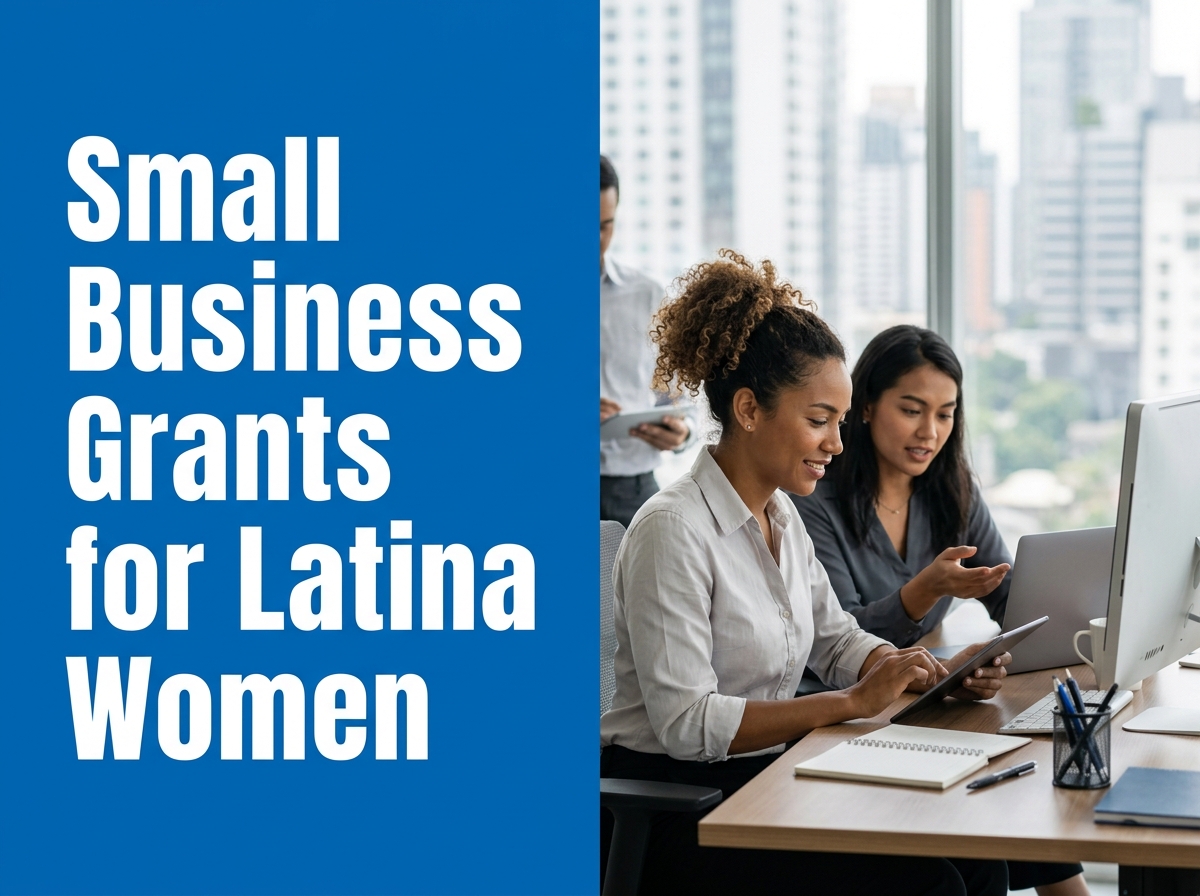
For many Latina entrepreneurs, the path to business expansion is frequently obstructed by a persistent lack of accessible capital and systemic barriers to traditional financing. Traditionally, founders have relied on personal savings or conventional bank loans, options that often come with prohibitive interest rates or stringent collateral requirements that can stifle early-stage growth.
Grant funding represents a powerful strategic alternative: debt-free, non-dilutive capital that fuels innovation without sacrificing equity or incurring monthly repayments. It is important to note, however, that these opportunities are highly competitive and governed by strict compliance mandates; securing them requires more than just a compelling vision-it demands meticulous preparation and adherence to specific eligibility criteria.
Proven initiatives, such as the Amber Grant for Women and the Fearless Strivers Grant, demonstrate the transformative impact of targeted financial support for minority-led enterprises. This guide will analyze the current grant landscape, detail the essential documentation required for a successful submission, and provide a roadmap for navigating the complexities of the application process to secure the capital necessary for your business to thrive.
Understanding the Landscape of Grant Funding for Latina Entrepreneurs
The funding landscape for Latina entrepreneurs is a multifaceted ecosystem comprised of federal, private, and non-profit resources designed to bridge the capital gap. Unlike traditional loans, grants provide non-dilutive capital, making them a highly sought-after resource for scaling businesses without the burden of interest or debt repayment.
Key opportunities generally stem from three primary sectors:
- Government Programs: Federal and state agencies, such as the Small Business Administration (SBA), offer competitive grants focused on community development and economic innovation.
- Corporate Initiatives: Large-scale enterprises frequently establish grant cycles specifically for minority-owned businesses to promote diversity and economic equity within the marketplace.
- Non-Profit Organizations: Foundations dedicated to Hispanic advancement provide targeted financial support often paired with mentorship and technical assistance.
Navigating this environment requires a strategic approach. Eligibility often depends on specific criteria, including business maturity, industry sector, and geographic location. For Latina business owners, securing these funds demands rigorous documentation and a clear articulation of how the capital will facilitate sustainable growth and community impact.
Top Federal and State Grant Programs for Hispanic Women-Owned Businesses
Federal and state government agencies provide targeted financial resources to empower Latina entrepreneurs and foster economic growth within Hispanic communities. At the federal level, the Minority Business Development Agency (MBDA) serves as a primary resource, offering grants and strategic assistance specifically for minority-owned firms. Additionally, the Small Business Administration (SBA) facilitates access to federal contracting opportunities and specialized funding through initiatives like the 8(a) Business Development program.
State-level opportunities are equally significant, often administered through state Departments of Economic Development or Small Business Development Centers (SBDCs). These regional programs frequently offer competitive grants, workforce development subsidies, and low-interest financing tailored to the local demographic landscape. Many states with significant Hispanic populations implement specific equity funds to address historical capital access barriers for women of color.
To maximize success, business owners should maintain active registrations on SAM.gov and utilize the Grants.gov portal to monitor federal announcements. Engaging with state-level procurement offices can further uncover localized grants designed to scale Hispanic women-led enterprises and ensure long-term commercial sustainability.
Corporate and Private Foundation Grants Supporting Latina Small Business Growth
Corporate entities and private philanthropic foundations play a critical role in addressing the systemic funding disparities faced by Latina entrepreneurs. By offering non-dilutive capital, these organizations enable small business owners to scale operations, invest in infrastructure, and enhance market competitiveness without the requirement of relinquishing equity.
Prominent initiatives often emerge from global financial institutions and specialized advocacy groups, such as the Hispanic Federation or corporate-led diversity funds. These programs frequently prioritize enterprises that demonstrate sustainable growth potential and a clear commitment to community impact. Beyond direct financial disbursements, many private grants integrate professional development resources, including executive mentorship, technical assistance, and strategic networking opportunities.
To successfully secure these competitive awards, Latina business owners must maintain rigorous financial documentation and ensure their proposals align with the specific philanthropic objectives of the grantor. Accessing these private sector resources serves as a vital pathway for strengthening the economic footprint of Hispanic-owned enterprises and fostering long-term commercial resilience within the broader marketplace.
Essential Eligibility Requirements for Latina Business Grant Applicants
To qualify for small business grants specifically designated for Latina entrepreneurs, applicants must satisfy several core criteria established by private foundations, government agencies, or corporate sponsors. While specific mandates vary, the following fundamental requirements are standard across most programs:
- Ownership and Control: The enterprise must be at least 51% owned, operated, and controlled by one or more women of Hispanic or Latina descent.
- Legal Structure: Most funding bodies require the business to be a registered legal entity, such as an LLC, S-Corp, or sole proprietorship, based and operating within the United States.
- Business Stage and Revenue: Eligibility often depends on the company's developmental stage. Requirements may include a minimum period of operation-typically six months to two years-and adherence to specific annual revenue ceilings.
- Industry Alignment: Certain grants are restricted to specific sectors, such as technology, retail, or social impact, while others remain industry-agnostic.
Prospective applicants should maintain updated financial statements, tax returns, and proof of certification to demonstrate compliance with these essential standards during the competitive review process.
Preparing Financial Documentation and Business Plans for Funding Success
Securing a small business grant as a Latina entrepreneur requires a strategic approach to documentation. A robust business plan serves as the foundation for your application, detailing your company's mission, market positioning, and long-term scalability. Grantors seek evidence of operational viability and potential community impact; therefore, it is essential to articulate how the funding will specifically catalyze growth and sustainability.
Equally critical is the organization of comprehensive financial records. Applicants should prepare accurate profit and loss statements, balance sheets, and tax returns for the previous two to three fiscal years. Furthermore, providing detailed cash flow projections demonstrates fiscal responsibility and a clear roadmap for resource allocation.
By presenting professional, transparent documentation, Latina business owners can effectively communicate their creditworthiness and commitment to success. Ensuring all figures align with the business plan objectives reinforces the credibility of the application, significantly improving the likelihood of a successful funding outcome in a competitive grant landscape.
Crafting a Compelling Narrative to Highlight Your Business Impact
For Latina entrepreneurs seeking small business grants, the ability to articulate a clear and persuasive narrative is essential. Granting organizations look beyond financial statements to understand the underlying mission and the tangible difference a business makes within its community. A well-crafted narrative should emphasize the business's unique value proposition, demonstrating how it addresses specific market gaps or social needs.
To optimize the impact of an application, it is vital to provide data-driven evidence of success alongside personal experiences of resilience and leadership. Highlighting contributions to local economic growth, job creation, or cultural representation provides reviewers with a holistic view of the enterprise's potential.
Furthermore, aligning the business story with the specific objectives of the grant provider ensures relevance. By focusing on measurable outcomes and future scalability, Latina business owners can effectively communicate their vision, establishing a professional and credible case for why their venture merits investment.
Leveraging Minority and Women-Owned Business Certifications for Priority Access
For Latina entrepreneurs, obtaining Minority Business Enterprise (MBE) and Women-Owned Business Enterprise (WBE) certifications is a strategic prerequisite for accessing specialized capital. These formal designations, issued by government agencies and recognized private organizations, verify that a business is at least 51% owned, operated, and controlled by individuals from underrepresented demographics.
These certifications serve as a gateway to "set-aside" programs and diversity initiatives specifically designed to bridge the funding gap. Many federal, state, and corporate grantors mandate that a percentage of their budget be allocated to certified firms. By securing these credentials, Latina-owned businesses gain priority status in the application process, significantly increasing their visibility to procurement officers and grant committees.
Furthermore, being a certified entity provides access to exclusive databases and networking opportunities with large corporations seeking to fulfill diversity requirements. This systemic alignment not only streamlines the grant discovery process but also enhances the enterprise's credibility, positioning the business for sustainable growth and long-term financial support within the competitive marketplace.
Common Application Pitfalls and How to Avoid Them
Securing small business grants is a highly competitive process, and for Latina entrepreneurs, avoiding common administrative and narrative errors is essential for a successful submission. One of the most frequent pitfalls is failing to strictly adhere to eligibility criteria, such as geographic requirements, industry focus, or revenue thresholds. Applicants should meticulously review all guidelines to ensure their enterprise aligns with the grantor's specific mandates before initiating the application.
Another significant challenge is the submission of incomplete or disorganized documentation. Missing tax returns, business certifications, or financial statements often lead to immediate disqualification. To mitigate this risk, entrepreneurs should maintain a centralized repository of essential legal documents and use a checklist to verify all required attachments are present.
Furthermore, many applications lack a clear articulation of how funds will be utilized. To increase competitiveness, proposals must include data-driven plans demonstrating how the grant will facilitate measurable growth or community impact. Aligning the business narrative with the grantor's core mission will significantly improve the likelihood of securing funding.
Strategic Networking and Mentorship Resources for Grant Discovery
For Latina entrepreneurs, strategic networking and mentorship are essential components in identifying and securing small business grants. Professional organizations, such as the United States Hispanic Chamber of Commerce (USHCC) and the Association of Latino Professionals For America (ALPFA), offer robust platforms for connecting with industry leaders and financial advisors who specialize in minority-owned business development.
Engaging in these professional ecosystems provides access to proprietary information regarding upcoming grant cycles and eligibility criteria that may not be widely publicized. Mentorship programs further enhance this process by offering technical assistance in grant writing and business plan refinement. By cultivating relationships with seasoned professionals and participating in localized business alliances, Latina business owners can navigate the complexities of the funding landscape more effectively.
Furthermore, peer-to-peer networking groups facilitate the sharing of best practices and successful strategies for competitive applications. Leveraging these community-driven resources ensures that entrepreneurs remain informed about both private-sector initiatives and federal opportunities, ultimately bridging the resource gap and fostering long-term business sustainability.
Maintaining Compliance and Reporting Standards After Winning a Grant
Securing a small business grant is a significant milestone for Latina entrepreneurs, yet it necessitates a disciplined approach to post-award management. Compliance involves strictly adhering to the terms and conditions outlined in the grant agreement, ensuring that all funds are allocated toward approved expenditures such as operational scaling, technology integration, or workforce development.
To maintain eligibility and foster trust with funding institutions, recipients must implement rigorous reporting practices. Key requirements typically include:
- Financial Documentation: Maintaining organized records of all receipts, invoices, and payroll ledgers related to grant spending.
- Progress Reports: Submitting periodic updates that detail how the capital has impacted business milestones and growth objectives.
- Audit Readiness: Ensuring all data is transparent and accessible for potential internal or external financial reviews.
Failure to uphold these standards can lead to the reclamation of funds or disqualification from future federal and private funding opportunities. By prioritizing administrative diligence, Latina business owners demonstrate professional accountability and strengthen the long-term fiscal health of their enterprises.
Leave a comment